


One of the most common diseases in men is prostatitis.In no case should the treatment be delayed, because the prostate gland performs important functions and its inflammation is caused by a dangerous infection.What are the symptoms of prostatitis in men?

Below we will tell you what signs you can use to identify this disease and consider the methods of its treatment.
Signs of illness
As a rule, there are three types of painful symptoms:
- Disorders in the genitourinary system.Accompanied by pain in the groin when urinating and a constant urge to go to the toilet.There may be bleeding.Urination occurs in small portions;
- Sexual dysfunction.Accompanied by pain in the canal and rectum during ejaculation.There is also a decrease in potency, frequent emissions and loss of orgasm.There is also a decline in erection or its complete absence;
- Disorders of the nervous system.Accompanied by apathy, aggression, psychological and emotional disorder.
Types of diseases
Chronic prostatitis
In chronic prostatitis, the symptoms are expressed only during an exacerbation.There are no symptoms during the remission period.During attacks of the disease, a high temperature may rise, the joints may hurt, sweating increases, the patient suffers from insomnia, there is a complete loss of appetite, apathy, fever and chills.Headaches are also possible.
This type of disease occurs due to fungi or viruses that have entered the lower pelvic organs.Representatives of such fauna are Escherichia coli, staphylococci and chlamydia.You may notice that the list of causes does not include Helicobacter - this is natural, as it does not cause prostatitis.
Of course, each of us has pathogenic microbes.However, the human body is designed in such a way that the immune system prevents their reproduction.Therefore, if the protective function is disturbed, then a person easily becomes a hostage of inflammatory processes.When the first symptoms appear, you should consult a doctor.He will conduct a rectal examination, take the necessary tests and prescribe a course of treatment.
Bacterial prostatitis
This type of disease is caused by pathogenic bacteria.Symptoms are the same as chronic prostatitis.This is bacterial prostatitis, which most often goes into a chronic form.Such inflammation should be treated comprehensively.Only the general effect of drugs, massage of the prostate gland and other physical procedures will prevent the transition of the disease to a chronic stage.
Competent urologists prescribe antibiotics.They destroy all pathogenic microorganisms.It is very important to come to your doctor on time.You should not stop taking the medication after your condition improves because you may worsen the outcome and suffer from the condition for many years.
Sclerotic prostatitis
Sclerotic prostatitis occurs in people suffering from constant constipation, as well as due to taking certain medications.The disease is expressed in the reduction of the prostate and hardening of its tissues - this type of disease is incurable.
Prostatopathic prostatitis
The causes of the prostatopathic type of disease are still not clear.It is accompanied by aching pain in the groin.Treatment is prescribed individually to patients.
Abacterial prostatitis
Abacterial prostatitis develops due to stagnation of seminal fluid and circulatory disorders.However, the most common cause is zinc deficiency.It is an important component in the male reproductive system.Zinc is responsible for the proper production of hormones, potency and reproductive function of the body.
This disease is accompanied by a pulling sensation in the groin area, lower abdomen and perineum.Sometimes the pain radiates to the back and coccyx.This condition can last for several months.During the treatment, anti-inflammatory and hormonal drugs, as well as herbal medicines, are prescribed.
Asymptomatic prostatitis
The peculiarity of asymptomatic prostatitis is that the disease occurs without any symptoms.Unfortunately, the disease manifests itself in the later stages.At this time, the prostate gland increases significantly and urination is impaired.To determine the disease, a urine test is performed to determine the presence of bacteria and the content of white blood cells.This type of prostatitis often becomes chronic.
If you do not have an erection in the morning and you have frequent urges at night, this indicates the beginning of the disease.
Do not neglect timely treatment, as inflammation of the prostate gland can become chronic.Bladder damage may also occur, making it difficult for you to go to the toilet.Indifference to your health threatens infertility, abscess, cystitis and sepsis.Some of the consequences can only be cured by surgery.
Do not attempt to treat yourself without the help of specialists.Before using any methods, consult your doctor.
Is prostatitis contagious and how to treat it?
Having sex with prostatitis is not prohibited.After all, its lack leads to this disease.The presented disease is relevant only for the representatives of the stronger sex.However, seminal fluid contains elements that cause inflammation.Therefore, if such sperm gets on the female genital organs, serious problems can occur with the female reproductive function.It is very important to take care of yourself and lead a healthy lifestyle.
Prostate massage
This method of treating prostatitis is prescribed as adjunctive therapy.In addition, massage is an excellent disease prevention.With its help, the urologist can find out what stage the tumor is at.Massaging the prostate gland will help avoid the accumulation of sperm, which often causes inflammation.
This procedure relaxes the gland, improves blood circulation and saturates the organ with oxygen.It also relieves unpleasant symptoms and discomfort, prevents the development of cancer and normalizes urination.
Urological treatment
When you go to the clinic, you will most likely be prescribed medication or surgery.It all depends on the stage of the disease.
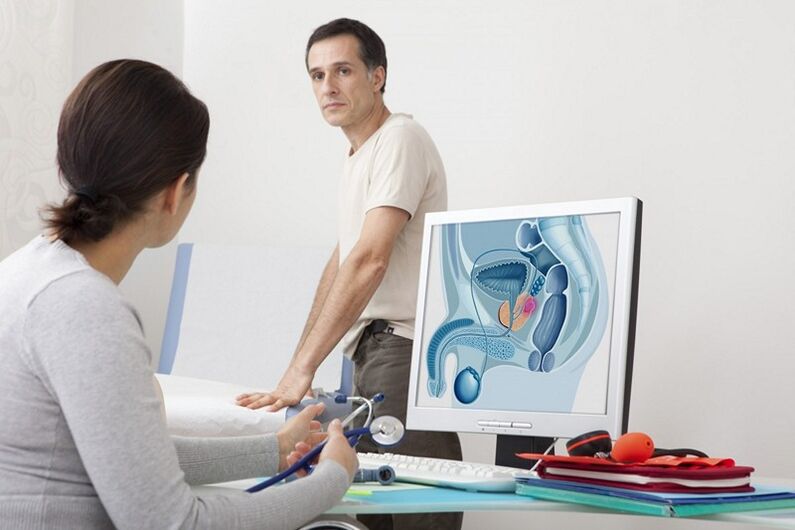
Take the medicine only according to the recommendations of specialists, since some of the medicines have a number of contraindications.
If the disease cannot be treated with drugs, the patient is referred for surgery.The most common method is transurethral resection.During such an intervention, the tumor is removed through the urethra.Most often, this type of operation is prescribed in the middle stage of the disease, in the absence of an infectious lesion.This type of intervention does not ensure preservation of sexual function.
The best solution is a minimally invasive method.With this method, a puncture is made in the skin and then in the bladder and the damaged tissue is removed.Among the advantages, however, there is a low probability of injury and infection and the absence of complications.This operation is available at any stage of the disease.
Recommendations
Special attention should be paid to nutrition.Try to eliminate fatty, heavy, spicy and fried foods from your diet forever.Do not overuse flour, baked goods and pickles.Adjust your menu.Eat only healthy and natural foods, including vegetables and fruits, nuts, lean meats, dried fruits and freshly squeezed juices.
Avoid alcoholic beverages, coffee, eggs, fatty meats and mushrooms.Forget about greasy soups, spicy spices, carbonated drinks.
Take relaxing baths with healing herbal concoctions like chamomile.It perfectly copes with inflammation, removes toxins, helps the work of the kidneys and liver, restores metabolism.It is worth noting the need for physical exercise.Light exercise, swimming in the pool, walking in the morning and following a special diet will help prevent prostate disease.

If you have already encountered prostatitis once, visit a urologist once a year.This is necessary to monitor your condition and prevent a relapse.